
Super El Niño: Cloudy with a chance of communications
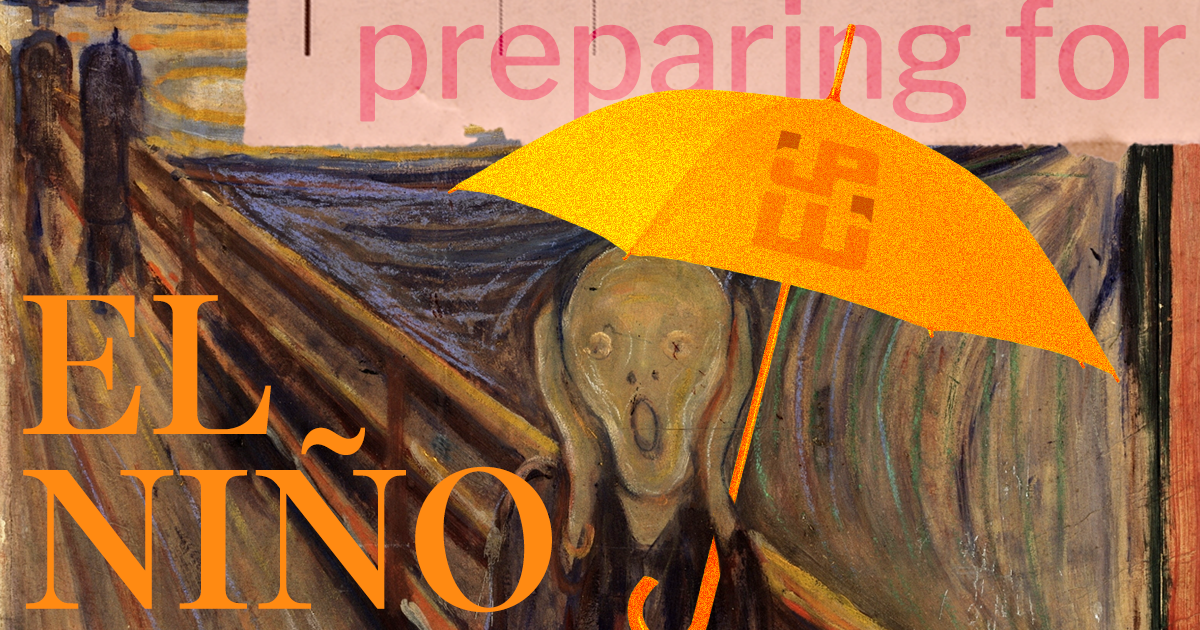
There are certain phrases that get a California public agency's attention. "Super El Niño" is one of them.
Forecasts are pointing to a strong El Niño this winter, which means agencies across California are dusting off emergency plans, checking storm drains, ordering sandbags and preparing crews. All smart moves.
We'd add one more item to the list: Make sure your communications team knows what everyone else is doing.
The forecast is uncertain, but the need to prepare isn't.
El Niño doesn't come with a neighborhood-by-neighborhood rain schedule. A strong event can increase the likelihood of certain weather patterns without guaranteeing where, when or how much rain California will receive.
We're not suggesting agencies sound the alarms, but we are suggesting they use the forecast as a reason to look around the corner.
What happens if several inches of rain arrive overnight? Which roads flood first? Where are your vulnerable facilities? For water and wastewater agencies, how are your teams planning for increased flows through pipelines and pump stations, or the potential for reservoir spillover and infrastructure failures? What questions will residents ask, and what information will your field crews have that your communications team needs?
These conversations are far easier to have on a sunny Tuesday than during an atmospheric river.
Residents don't care about your org chart
Inside an agency, storm response may touch public works, operations, customer service, utilities, police, fire, emergency management, parks, the city/general manager's office and communications.
To a resident, it's all one organization.
They don't care which department owns the flooded intersection. They want to know whether they can drive through it. They don't need to understand who maintains a particular storm drain. They want to know who is fixing it. And if their trash pickup is delayed, their street is flooded and a tree just came down around the corner, they should not have to piece together three different updates to figure out what's happening.
This is where communications earns its seat at the operational table. A strong communications function sees across departments, connects information that otherwise lives in separate places and turns it into something useful for the community. Just as importantly, it brings information back in by tracking what residents are seeing, hearing and asking.
That makes communications the hub between agency operations and the people those operations serve.
Put communications closer to the action
Storm response moves quickly. Your information flow should, too.
Before winter arrives, identify how information will travel from the person standing next to the flooded road to the person updating the public about it. Maybe that's a Teams channel connecting communications, Public Works and emergency management. Maybe field crews need a simple protocol for sending confirmed information and photos back to the communications team. Maybe your approval process needs an emergency lane so a road closure update doesn't spend 45 minutes in an email chain.
The solution will look different for every organization. The important part is finding the friction now.
A tabletop exercise can help. Pick a plausible storm scenario and walk through the first few hours together. Add a flooded intersection, a downed tree, a reporter calling, a resident sharing a photo from three years ago as though it happened this morning and an elected official asking for an update. See where the gaps are. Those become your assignments before the rain starts.
Prepare the information alongside the infrastructure
Your Public Works team knows which roads flood. Your customer service staff knows which questions come in every winter. Your emergency managers know the response protocols. Your communications team knows how to turn all of that into information people can understand and act on.
Get these people in the same room. Then start building things like templates for road closures, flooding, service disruptions and facility closures. Confirm who can approve emergency messaging. Update media lists. Identify translation needs. Make sure emergency web pages are easy to find and update. Give spokespeople a refresher.
And look at what your community asked during the last big storm. There's a good chance they will ask again.
The best outcome is a boring winter
We would be perfectly happy if all this preparation resulted in unused storm messages and sandbags gathering dust.
The work wouldn't be wasted. The same systems that help an agency communicate through a major storm also work during a water main break, wildfire, power outage or unexpected service disruption. A stronger connection between operations and communications makes an organization more responsive on ordinary days, too.
That's the opportunity inside all the Super El Niño headlines. Use the forecast to test the system, build relationships across departments and give communications better visibility into operations. Then, when the clouds roll in, everyone knows what to do.
Ready to look around the corner?
JPW helps public agencies prepare for the moments when clear communication matters most. We can facilitate a storm communications tabletop, pressure-test your existing protocols, develop ready-to-use messaging or provide additional communications capacity when your team needs it.
Let’s get ready before the weather gets wild.