
We foster trust through strategic communication that works.
Hi there, we are JPW.
We inspire thriving communities through collaboration and shared understanding. And we work tirelessly to make that happen through memorable marketing, communication and outreach campaigns.

Celebrating
10 years.
Ten years strong, and we're just getting started. Thank you for trusting us to be your partner. Together, we’ve built communications that matter, and the best is yet to come.
Our why
We create an exceptional experience for each client by providing creative strategies to meet their specific needs.

-
We believe every situation is unique. That's why we approach our work with curiosity and creativity.
-
We were created by former in-house government communicators, so we do this work passionately because we know it makes a difference.
-
We invest deeply in our employees because we believe they are the heart and soul of our company. We also know this investment is reflected directly in the quality of our work.
Our clients inspire us. We’re proud to tell their stories.
Notes from our blog

State and local government agencies have long known digital accessibility is required under ADA Title II, but practical timelines have not always been clear. That changed with the U.S. Department of Justice’s Title II web and mobile accessibility rule, and as of an April 2026 interim update, the DOJ has extended the compliance deadlines while keeping the requirements the same.
This is welcome news for public agencies that need time to plan, budget and implement sustainable accessibility improvements.
In public-sector work, storytelling isn’t about spin. It’s about helping communities understand what’s happening, why it matters and how they fit into the bigger picture. And more often than not, the most important storytelling happens behind the scenes.
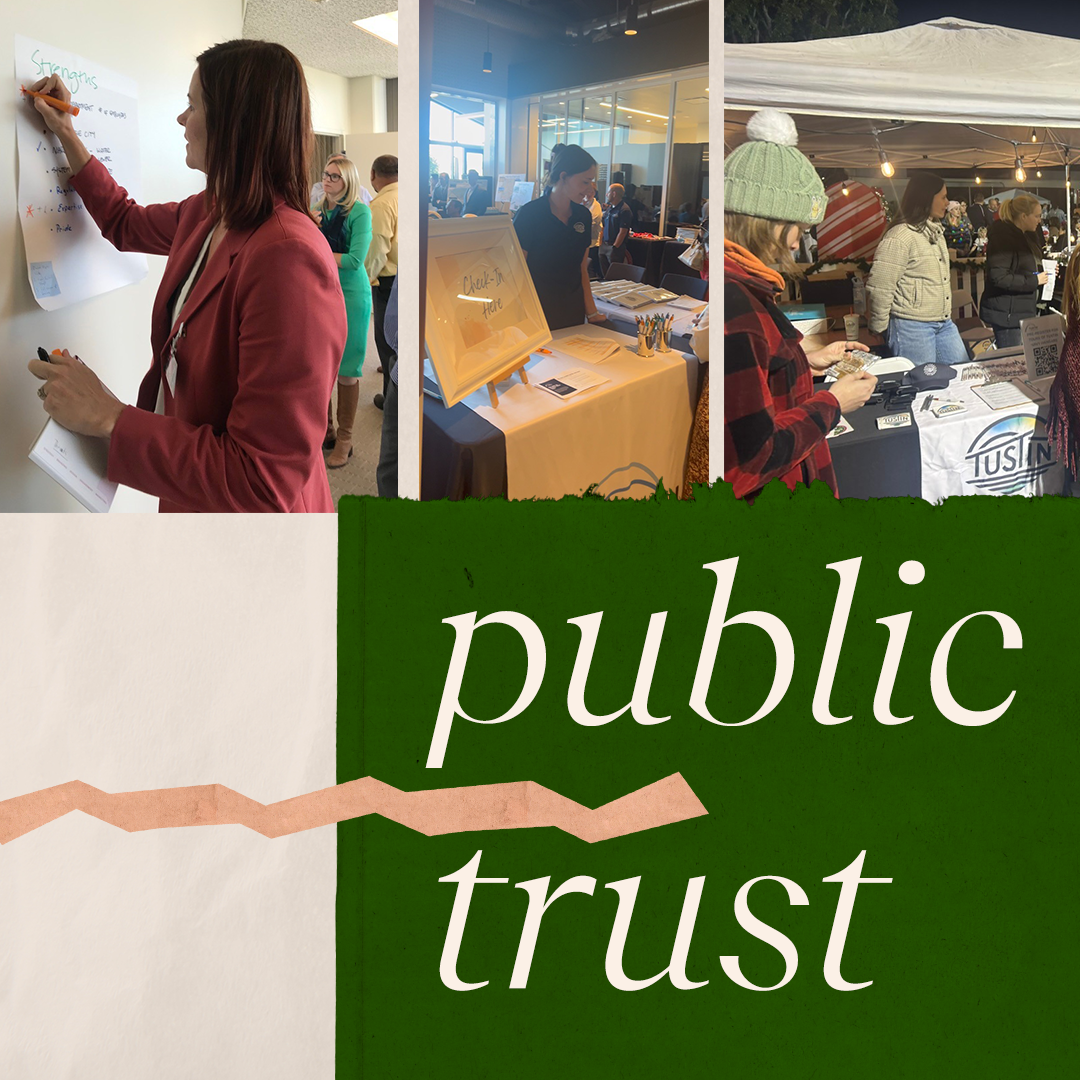
Public trust is not fostered through a single meeting or announcement. It is earned over time, often in moments that feel small to agencies, but meaningful to communities. If your engagement efforts feel repetitive or are reaching the same audiences, it may be time to rethink the approach.
While no one loves an emergency, the communities, customers and stakeholders we serve expect us to be prepared when one happens ... especially when it comes to communication.
We’re in the middle of a generational shift in content creation. AI can now draft, summarize, and generate compelling language in seconds—making communication faster than ever. The challenge for communicators is preserving craft and intention in a world where speed and volume come so easily.
2026 is bringing new tools, new platforms and new expectations. These eight communication trends show how public agencies can build trust, strengthen relationships and lead meaningful conversations in a rapidly changing environment.
Clear communication is both a skill and a public service. Read our tips to see how clear messaging can build trust, confidence and stronger communities. Start the new year with purpose and focus on what matters most.
In today’s fast-paced, information-rich environment, government communicators are constantly asked to do more with less: more transparency, more engagement and more measurable results. We know how challenging it can be to prove impact while juggling urgent projects and public expectations. That’s where a data-driven approach can make all the difference. By using real metrics to guide strategy and storytelling, communicators can move beyond guessing what works to knowing, and use that insight to create meaningful, measurable impact.
Every government agency invests time and resources into developing a strategic communications plan. But too often, these plans end up as impressive documents that gather dust on a shelf, referenced only during annual reviews or leadership meetings. The real value of a strategic plan comes when it’s woven into the fabric of daily operations: guiding decisions, shaping priorities and inspiring action at every level.
Musings about government communications
State and local government agencies have long known digital accessibility is required under ADA Title II, but practical timelines have not always been clear. That changed with the U.S. Department of Justice’s Title II web and mobile accessibility rule, and as of an April 2026 interim update, the DOJ has extended the compliance deadlines while keeping the requirements the same.
This is welcome news for public agencies that need time to plan, budget and implement sustainable accessibility improvements.
In public-sector work, storytelling isn’t about spin. It’s about helping communities understand what’s happening, why it matters and how they fit into the bigger picture. And more often than not, the most important storytelling happens behind the scenes.
Public trust is not fostered through a single meeting or announcement. It is earned over time, often in moments that feel small to agencies, but meaningful to communities. If your engagement efforts feel repetitive or are reaching the same audiences, it may be time to rethink the approach.
While no one loves an emergency, the communities, customers and stakeholders we serve expect us to be prepared when one happens ... especially when it comes to communication.
We’re in the middle of a generational shift in content creation. AI can now draft, summarize, and generate compelling language in seconds—making communication faster than ever. The challenge for communicators is preserving craft and intention in a world where speed and volume come so easily.
2026 is bringing new tools, new platforms and new expectations. These eight communication trends show how public agencies can build trust, strengthen relationships and lead meaningful conversations in a rapidly changing environment.
Clear communication is both a skill and a public service. Read our tips to see how clear messaging can build trust, confidence and stronger communities. Start the new year with purpose and focus on what matters most.
In today’s fast-paced, information-rich environment, government communicators are constantly asked to do more with less: more transparency, more engagement and more measurable results. We know how challenging it can be to prove impact while juggling urgent projects and public expectations. That’s where a data-driven approach can make all the difference. By using real metrics to guide strategy and storytelling, communicators can move beyond guessing what works to knowing, and use that insight to create meaningful, measurable impact.
Every government agency invests time and resources into developing a strategic communications plan. But too often, these plans end up as impressive documents that gather dust on a shelf, referenced only during annual reviews or leadership meetings. The real value of a strategic plan comes when it’s woven into the fabric of daily operations: guiding decisions, shaping priorities and inspiring action at every level.