
Craftsmanship still matters: Communication in the age of AI
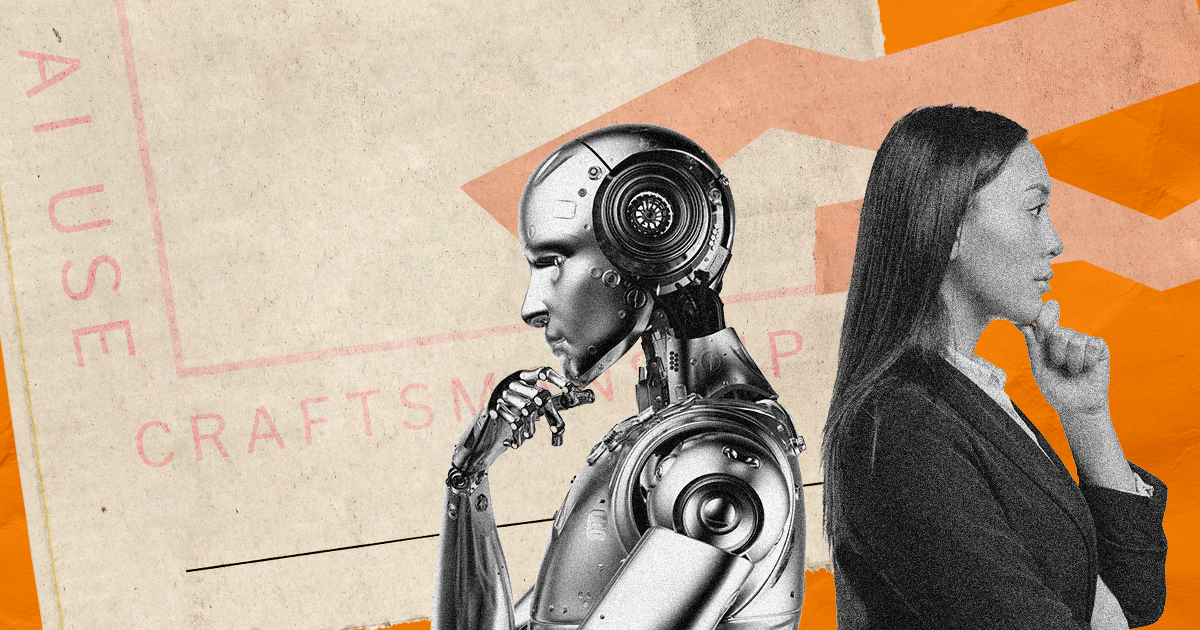
We are living through a generational shift in how content is created. Artificial intelligence can now produce drafts in seconds, summarize complex topics with ease and generate language that is clear and compelling (at least at first glance). For communicators, this moment is both exhilarating and a little unsettling, and it begs the question: How can we preserve the craftsmanship of communication in a world where speed and volume are suddenly effortless?
Impact v. output
At its best, communication is a practiced discipline. One that blends strategy, empathy, clarity and context. These are the elements that build trust, move people to action and create understanding in moments that matter. That is the crux of what good communicators do, and that work cannot be artificial. It needs authenticity, and it needs a human-touch.
AI excels at output. It can generate a thousand words before you have finished your coffee. But impact, the kind that changes minds, shapes behavior or strengthens relationships, requires more.
Impact comes from knowing your audiences well enough to anticipate their questions and concerns. It comes from understanding the political, cultural or emotional context surrounding a message. It also comes from recognizing when language needs to reassure, when it needs to challenge and when it needs to simply listen.
These decisions are inherently human. They rely on experience, emotional intelligence and accountability. And when communication goes wrong, it is not the algorithm that stands in front of the public. It is people.
AI as a tool, not a voice
Used thoughtfully, AI can strengthen craftsmanship rather than erode it. It can help stress-test ideas, surface gaps in logic or offer alternative ways to approach a message. It can speed up early drafts so more time is spent refining tone, sharpening strategy and aligning with values.
The risk comes when AI becomes the voice rather than the assistant.
Communication that has not been shaped by a human hand often feels hollow. Polished, but generic. It may read well, yet lack specificity, surprise and restraint. Audiences are also becoming increasingly adept at sensing when something feels manufactured instead of considered. See any good em dashes lately?
Craftsmanship shows up in the choices we make. What we say. What we leave out. And how we curate language that respects the reader’s intelligence and time.
Why this matters more than ever
As AI-generated content becomes ubiquitous, human-crafted communication will stand out. Not because it is louder, but because it feels real.
People are craving clarity in an increasingly noisy environment. They want to know that someone has thought carefully about what they are being told and why it matters to them. Organizations that invest in intentional, well-crafted communication signal credibility, competence and care, often without having to say so explicitly.
For public agencies, mission-driven organizations and community leaders, this is not a nice-to-have. It is essential. Trust is built through consistency, transparency and language that reflects lived experience, not just linguistic accuracy.
The future is hybrid and hopeful
This is not a tale about resisting change. It is a story about elevating standards.
The future of communication belongs to teams who know how to blend the efficiency of AI with the discernment of human expertise. Teams who use technology to clear the runway for deeper thinking, not to bypass it. Teams who remain curious, rigorous and deeply aware of the responsibility that comes with shaping public understanding.
Craftsmanship is not lost in the age of AI, but it does require intention to preserve. And the organizations that commit to it will be the ones whose messages do more than get published. They will get read, understood and remembered.